Showing posts with label Key Competencies. Show all posts

Thursday, November 15, 2018

Impact Story

This year i focused on achievement challenge 5: 
Improve the achievement of students with additional needs in the learning areas of English/key competency using language symbols and texts

My inquiry question was:
Will increasing the Key Competency “Managing Self” improve student achievement in reading?

This year i continued my inquiry from the previous year but implemented the process I undertook with a new group of learners. Last year i had a group of high functioning boys with Autism, this year i had a group of new entrant students with a range of disabilities. Due to the nature of my classroom where some students spent a short period of time with me before transitioning out to a satellite class (at a mainstream school), my focus group of students changes each term which made my inquiry more challenging.


WHAT HAPPENED TO MY LEARNERS?
- All students increased their ability to remain seated.
- All students were able to engage in self selected reading (SSR) independently.
- All students learnt pre reading skills such as turning the page, pointing to the words and using visuals.
- Non-verbal students were able to attend to their AAC (augmentative and alternative communication).
- 2 students were able to recognise some high frequency words by the end of the year.
- All students were able to follow the classroom routine.
- 1 student in my focus group transitioned to a satellite successfully and moved up 1 reading level.
- Parents commented on how they were able to enjoy a reading book at home with their child.
WHAT EVIDENCE DO I HAVE?
Due to the nature of my students, much of this year was spent building a rapport and transitioning them into school routines. I wasn't able to do much formative assessment as they were not able to sit and attend to the assessment. Many of them were not sure how to point so i was unsure of how to test their current skills. However as the year went on I was able to find out how each student could be tested and that is how i gathered my data. I also gathered evidence by noting how long they were able to attend or sit for as well as follow classroom routines.


WHAT DID I DO?
- Built strong relationships with both the students and their families by sending home a questionnaire.
- I used this information to make personalised books about their hobbies and interests.
- I implemented a sensory curriculum to engage them in learning tasks (a transitional programme from kindy to school).
- I put structure and routines in place so that the routine in class was predictable, this took out any anxiety about what was going to happen at school each day. All students were introduced to an individual timetable.
- Reading packs were set up: 1x book per week with individualised activities that went home each day.
WHERE TO NEXT?
This year went very differently to last year as my students last year already had foundation reading skills. This year i have had to teach them alphabet knowledge and for some students, how to use a book. While many of my students were not able to move up a reading level, their pre reading skills improved.
My wanderings about where to next is, how do we test those students who are nonverbal? How can we tell if they are reading in their head? How do we teach them to point in order to answer comprehension questions. This is one of the biggest challenges i have faced this year as the majority of my class are non-verbal or have restricted language.


As i write my end of year reflection, I feel proud of what my students have accomplished but also how i have grown as a teacher. I feel fortunate to have been a part of this journey for two years. I hope you have enjoyed being part of the ride and learnt something from my blog this year.


Saturday, November 3, 2018

What have i implemented this year?

Here is a short video summary of what i have implemented this year as part of my 2018 inquiry.
This year has been a huge learning curve for me. I have always had students who had come to me with foundation reading skills but this year i have had the opportunity to teach those skills to students who have not had much exposure to a structured class setting. While much of the year has been spent on teaching skills such as engagement, communication and increased work time, I have still seen huge shifts in my students reading. As i write my end of year reflections I am proud of all the students who have hit so many milestones, not only starting school but gaining skills in areas where they have not previously excelled.

Sunday, October 7, 2018

Where to next?

Where to next???
Term 4 is a short and very busy term. I will have a new student starting school and my class will have grown to 9 students which is the most i have had in a special education setting.
I will need to work on my classroom management to ensure that i am able to manage the amount of students in the class. I have decided to split my class into two groups during work time to see if i can spend more 1:1 time to work on individual literacy goals.
I also have 4 new students in the class, some have started taking reading packs home and the others will start this term.

Oliver: implement behavior programme outlined by the student who was working with Oliver last term. I also want to see how many letters of the alphabet he can recognise as I have tried testing multiple times but all my testing has come up with different results.

Benjamin: work on reading aloud, learning high frequency words and comprehension.

Friday, September 7, 2018

Literacy apps for emergent readers.

Following on from my last post, i thought i would share some apps i have found to be successful in the classroom and across Sommerville Special School. I use the iPads as an independent activity as part of my writing rotation.
I have downloaded a whole bunch of other new apps which i will spend some time using in the classroom before sharing. Enjoy!


 Writing Wizard:
- excellent tool for tracing letters and numbers

 
 Sight words by photo touch:
- flashcards on screen that read out high frequency words which the student has to press
- great for testing sight word knowledge
 
 ABC alphabet by photo touch:
- same concept as the sight words app but upper case alphabet
- video shown on previous post
 
 Special words:
- teaching word concepts
- starts with matching picture to picture, then picture to word etc
- similar concept to the programme "my baby can read" 
 
 Elmo loves ABC's:
- All of my students enjoy exploring this app
- great for teaching alphabet knowledge
 
 ABC Magic 1:
- flashcards that word like a book. Students can flick through to explore letter sounds, letters and objects beginning with that letter

Monday, August 27, 2018

Testing Success!

This term i have focused hugely on assessment. I now have a good relationship with my students and a good grasp of their current skills.
I have a few students who i find challenging to assess. I have tried many different assessment techniques and the data remains inconclusive.
Image result for try and try again
Getting accurate testing information from students who are unable to verbalize the answer is complex. After attempting alphabet testing with one particular student multiple times with no success I was unsure about what to do next. Some times he was able to show me that he knew some letters and other times I thought he was just guessing. Over the weekend i decided to download some new iPad apps which were motivating and easy to use.
Not only did he get almost all of them correct but I had finally found a testing method for a student who was difficult to test. Now i can use the same method to test letter sounds and high frequency words. Finding alternative testing techniques has been the biggest breakthrough in my inquiry this term.
This year has definitely taught me to try and if something fails....try again!

Tuesday, June 5, 2018

Implementing a sensory curriculum

As my students are new to school and routines, I am working on extending the time they will engage in seated activities. As part of my writing, handwriting and math's programme i implement sensory based learning activities as well as seated work tasks so that students who are unable to focus for long periods of time get a "sensory break".
There are heaps of ideas on Pinterest for "sensory tubs". This week i put the "letter of the week" in a tub with jelly balls (can be found at most $2 shops), and words we are learning from our word wall in shredded paper (purchased from looksharp). Other sensory tubs i have used in the past are:
-shaving foam
-flour
-colored rice
-sand
-sago
-kinetic sand
 

Thursday, May 31, 2018

Addressing sensory needs

My students need regular sensory input throughout the day in order to focus for extended periods of time. For some students this means implementing a "sensory diet".

"A sensory diet is a carefully designed, personalized activity plan that provides the sensory input a person needs to stay focused  and organised throughout the day." (Patricia Wilbager, OT)

When i look across my group of students i can recognize that most of my class are sensory seeking;  weather it is rocking on their chairs, walking around the room before sitting down, jumping off the chairs, or seeking tactile stimulation. I have worked with students in the past who were tactile defensive (refusal to explore tactile surroundings) and the class OT (occupational therapist) implemented a Wilbarger brush programme as part of a sensory diet. I was amazed at the success of using a brush to stimulate the skin in order to increase active exploration.

My class programme caters to the sensory needs in my classroom with regular sensory breaks offered to my students in order to increase their focus during work tasks. I timetable a movement break every 30 minutes. The breaks vary from jumping on the trampoline, going for a run, sensory play, swing and a exercise circuit. Some of my students such as Benjamin need more breaks in order to remain on task in the classroom. I make sure he goes on the swing for 2 minutes before he is expected to sit.

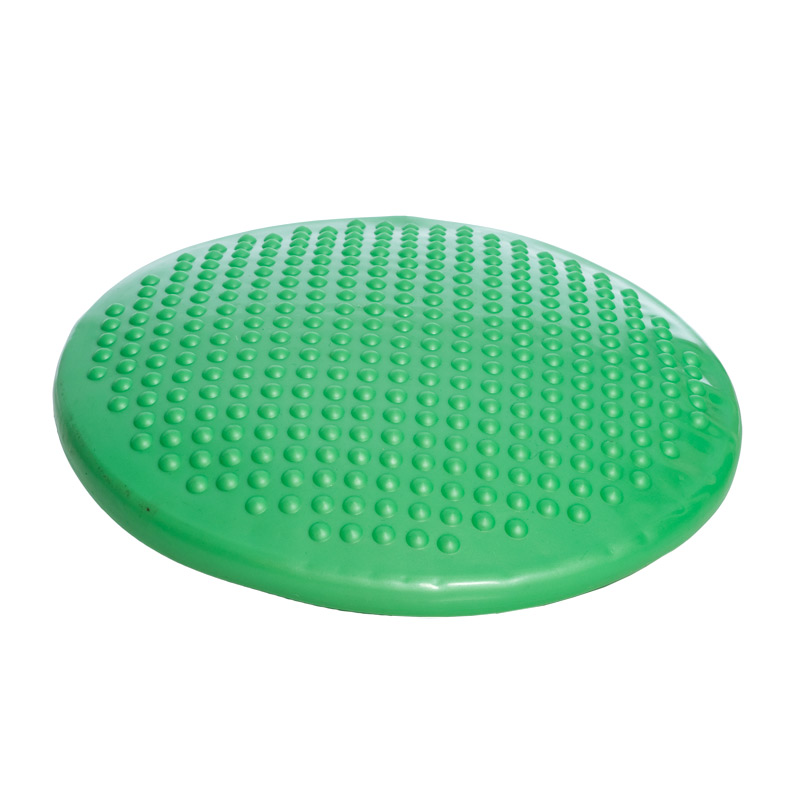
I am currently trialing a few alternative seating alongside the OT that works in my classroom. If you have a student who struggles to focus you could try using a swiss ball to sit on, inflatable cushion, fake grass under their feet, weighted blankets for pressure or a fiddle toy to maintain focus.

Image result for swiss ball child sittingImage result for inflatable cushion otImage result for fiddle toy


Wednesday, March 28, 2018

Managing self - Key Competencies

As my inquiry is related to increasing my students managing self skills i wanted to look more closely at the Key Competencies to see where they fit, i will readdress this later in the year to see where they have progressed using the Key Competency pathway. By linking my inquiry to the Key Competencies it has enabled me to identify my next steps and track my students progress throughout my inquiry.
https://nz-curriculum.wikispaces.com/2+Approaches

Oliver : He struggles to follow instructions when it is a non-preferred activity. This becomes challenging when it is time for work as he will show signs of refusal (lying on the floor or throwing his work), it has been difficult to see where his current reading skills. His behavior is a barrier to his learning, with the help of first / then visual supports we have seen his behavior decrease. 
Current Skills: KCI 4 / Manage my behavior : Attend to adult led activities with support
Next Steps : KCI 5 / Manage my behavior : Show awareness that actions have consequences

Conner : He has anxiety about joining in with unfamiliar groups, he will now join in group activities with out class but when we join with other classes he walks off and observes from a distance. Occasionally he refuses to come back to the classroom when we are outdoors but generally he listens well. 
Current Skills: KCI 5 / Take Risks : Use acquired skills in a familiar group
Next Steps : KCI 6 / Take Risks : Use acquired skills with an unfamiliar person

Benjamin : He needs to be familiar with a routine in order to remain on task and do what is expected of him. if the routine/environment is unfamiliar then he will walk away, run to a different activity or cry.  
Current Skills: KCI 4 / Persevere : Participate in a familiar activity that has been set for me with support
Next Steps : KCI 5 / Persevere : Anticipate and follow the next step in my learning programme that has been set for me

Tuesday, March 13, 2018

Focus Group 2018

I currently have 8 students in my classroom, all with varied skills and strengths. When choosing the students in my focus group I wanted to choose students that were showing signs of being ready to read (can sit for a short period of time, attend for the length of a story) but needed strategies to be put in place to be able to progress further.
Here is a brief outline of the students i have chosen in my focus group. 
I am currently completing assessments to have baseline data, i am in the process of finding the most suitable assessments to suit my students needs as well as how to assess them (I often need to get creative to assess my students).

Oliver : Age 5 yr, 1 mth, speaks and understands both English and Chinese, speaks using 1-3 keywords, very social and interactive but reliant on adult support as he likes 1:1 attention, has difficulty with compliance with non-preferred activities, good receptive language skills and understanding, minimal alphabet recognition, weak fine motor skills due to low muscle tone

Conner : Age 5 yr, 4 mth, excellent communication skills both verbal and receptive, he is very social and can initiate a conversation with others, he has difficulty joining group activities however this is improving, he can struggle at times to attend to a task when he wants to do something else,  he can recognise all upper and lower case letters and most letter sounds and he has instant recognition of many high frequency words

Benjamin : Age 5 yr, 3 mth, has some words but not using them yet appropriately to request items or comment. He has difficulty following instructions, sitting for extended periods of time and completely non-preferred activities. I am still in the process of working out what letters he can recognise. He doesn't show an interest in books and is unable to sit for extended periods of time. 

I have already started implementing strategies for all the students in my class - mainly around independence and managing themselves day to day in the classroom (unpacking their bag, sitting for increasing periods of time, using the first - then visual sequence, following routines). I am looking forward to working on specific strategies for each student and their learning needs. 
Watch this space!

Thursday, November 16, 2017

Impact Story - Key Competencies and Reading


One of my biggest success stories this year has been James. Up until this year he remained on the same reading level for many years with limited success. I believe that improving his ability to manage himself alongside an individualised reading programme has attributed to his reading success.


Thursday, November 9, 2017

Elkonin Boxes

Two of my students currently struggle with decoding words during writing and sounding out words during reading. I saw Anita (http://sfsanitaunka.blogspot.co.nz/) use Elkonin boxes with a group of ESOL students in her classroom. I have yet to visit her in action but i couldn't wait to implement them as part of my reading programme.
After a bit of research online i found a strategy that i thought would be beneficial for James in particular as he has recently moved up to yellow. James is frequently appealing for help as he is overwhelmed with the amount of words in his current books (he was stuck on Magenta for many years).
If he is stuck on a word he uses a red dot to put in each Elkonin box as he sounds out the word slowly. Next he is given some cut up letters and has to put them in the boxes to spell the word out. Already i can see James gaining confidence in his reading again as he is reading with more flow.
Article i used as a guide : http://www.readingrockets.org/content/pdfs/Phonics-Sound-Elkonin-Boxes.pdf

Tuesday, November 7, 2017

Examples of Visible Learning

Last term i blogged about the importance of visible learning in special education .(http://ssslaurencol.blogspot.co.nz/2017/09/visible-learning-in-special-education.html)
I thought i would share the different ways in which i make the learning visible in my classroom across different activities. My colleague, Donna also blogged about learning intentions recently and shared some wonderful examples of how other teachers at Sommerville Special School are making learning explicit for their students. The link to her blog is below.
http://sssdonnaryan.blogspot.co.nz/2017/10/what-am-i-learning.html

1. Individualised work

2. Morning circle on the smartboard using visuals to convey meaning

3. Sharing Reading (using a colourful semantic colour prompt)

4. Reading log which goes home to parents to share their individual goals for reading

5. Learning boards (shared on a previous post http://ssslaurencol.blogspot.co.nz/2017/07/student-self-assessment.html)

6. Individual daily target (token economy)


Thursday, October 26, 2017

Developing Social Skills

I am fortunate enough to have a ABA (applied behavior analysis) intern in my classroom this year.  
She is fantastic with the students and implements programmes to help shape behavior or teach new skills.

Behavior analysis focuses on the principles that explain how learning takes place. Positive reinforcement is one such principle. When a behavior is followed by some sort of reward, the behavior is more likely to be repeated. Applied behavior analysis (ABA) is the use of these techniques and principles to bring about meaningful and positive change in behavior.
https://www.autismspeaks.org/what-autism/treatment/applied-behavior-analysis-aba 

 
Stacey (ABA intern) set up a video modelling programme to show James how to interact appropriately in the playground. He watches this as often as possible, usually before playtime. 

As i also wanted to focus on social skills this term as part of my inquiry i made some resources to work alongside Staceys programme. There are some fantastic resources on the website "http://www.twinkl.co.uk/" which is where i got these from. First he reads a social story on how to be a good friend and then has to sort the scenarios into piles of "good friend" and "bad friend".
James completes these activities as part of his morning work box each day. James can sometimes become obsessed with negative behavior however he appears to be responding well to both the video and the resources. Check out the video of him below...

Saturday, October 7, 2017

Term 3 Reflection

This term my class have been settled and calm. The current behavior strategies are working and my students are thriving. I have seen growth across all curriculum areas but especially reading. We read 1:1 four afternoons a week; all of my students know the routine therefore reading in my classroom is generally the calmest part of the day. This goes to prove that there is a significant link between managing self and accelerated shift in reading.
Next term i wanted to have a class focus on another key competency which is part of my inquiry. My students struggle with the key competency "relating to others".

The reason i have not addressed this particular key competency is because i wanted the students to be able to manage themselves before focusing on social skills.
In the last year my classroom have integrated into the mainstream playground during playtime. This is a very challenging part of our day as the students can be unpredictable in social situations as they navigate how to interact with their peers. Next term I will be implementing strategies to help my students understand social interactions to be able to build relationships.

Tuesday, September 26, 2017

Inflectional Endings..

James is currently reading at level 5. Now that the books are becoming more challenging he is noticing the difference in word endings. Sometimes he will read the base word only and skip the ending. I have started to add some inflectional ending activities to teach him the different variations in a word. This was the first session i did with him and i haven't yet touched on past or present tense.

First i pointed out words in his reader and asked him to repeat them, then i asked him to say the sound at the end of the word. We started with the word "looks" which he read correctly after being prompted to pronounce the sound at the end. I asked him to find a word that looks the same on our word wall, he found the word "look". 
Some of the words in his activity are in his reader and some are additional words added to the activity. I was so impressed at how fast he picked it up. 

Thursday, September 21, 2017

Reading Success!


Reading has always been a huge challenge for James who remained on level 1/2 for 4 years.
 He struggled to retain sight words he learnt and also struggled with comprehension.
Through repetitive word wall activities, visual based reading activities and behavior strategies in place, James has moved up 3 reading levels which is such a huge achievement.
When my students achieve a milestone i send home a milestone card and I display my students success in the foyer in our classroom.

Sunday, September 17, 2017

Reading Packs

Unlike mainstream classrooms where they read a different book every day, in my class they have 1x book for the week however they have a different focus each day that they read. They also take their reading books home as well as the activities. I make up a 'reading pack' with activities that vary depending on the book and level. Another teacher at my school, Lidia, structures her reading programme similarly so we swap our reading packs to share activities and ideas. It is a great way to share the work load and to get ideas. I love having another teacher to bounce ideas off.

Here are some examples of the activities i have made for a Magenta 1/2 book and a Red 3 book.


Wednesday, September 6, 2017

Visible Learning in Special Education

I have been in special education for 6 years. I have always been told to minimise spoken language so that our students can process what is being said. 
While this is important for providing instructions and especially important for students with communication difficulties I also believe it is important to provide a vocabulary rich environment. 
Many teachers in special education believe their students wont understand if we share their learning goals with them or it will confuse them further. 
This year i made it my personal goal to ensure that every lesson had a learning intention which i could share with my students. Almost 1 year later i have started to notice my students talking about their learning goals or what they have achieved, even students using only keywords to communicate are able to express what they are learning. It is so powerful watching my students have ownership and control over their own learning. This week Evan said, "oo what am i learning today? I like learning about vowels." 
In special education it is so important to assume the best in our students because every day my students surprise me. 
I have shared a template for sharing learning intentions in a previous post which you can see here.

Monday, September 4, 2017

Making Words - Mini Lessons

I have a student in my class (Evan) who is a very confident reader but when it comes to writing tasks or attempting to spell words he shuts down and refuses to complete his work.
This term i have been reading a book called "Making Words" which entails a very specific phonemic awareness and spelling programme.
This week i am going to implement a mini-lesson after each guided reading session for Evan to practice making words. The book breaks down each step with small tasks which doesn't require Evan to write but uses his letter-sound awareness to make words.
The book has set lessons however i am going to split one lesson across the week so that Evan has time to process what he has done and doesn't get overwhelmed with the workload.

Friday, August 25, 2017

Where to from here?

This week I attended our CoL Hui where all of the teachers in our CoL displayed our inquires. It was a great opportunity to share my journey with other professionals and see how other teachers were progressing with their inquiries. What a wonderful experience to reflect on my practice and my inquiry as many of the visitors to my display asked me some interesting and valid questions; the main question?
My students are improving and moving up reading levels (2/3 students). If they haven't shifted reading levels then they have increased their sight word knowledge and gaining confidence in reading. The strategies that i have implemented to improve the Key Competency - Managing Self are working. My students can work for longer periods of time and are more willing to take risks with their reading. Below is an outline of what i am wanting to achieve by the end of the term with my students reading and behavior management. As each student is so different there is not a "one size fits all" approach.
I will update my blog on the success of the following:
  • James : attempt to sound out a word he doesn't know. I am going to try Elkonin boxes with him as seen on another colleagues blog. James will say "i don't know" and ask "whats this" when coming across a unfamiliar word. 
  • Evan : Attend 2x mainstream classes a week for reading. At the moment Evan goes once a week. He is allowed to return to class whenever he is ready as sometimes he doesn't cope. I will implement some form of communication symbol that he can show to the support person to indicate that he wants to leave the class. 
  • Toby : implement a programme suggested by my schools SLT to teach Toby comprehension. At the moment Toby can point to symbols to answer questions but often repeats your question rather than answering the question. He has to be taught how to answer a question. Currently he can answer "who" questions with support.