Interest Based Learning is a strategy that Special Education Teachers naturally become quite skilled at. When so many students are difficult to engage then you will use whatever you can to spark their interest.
I had a student last year that enjoyed writing about lawnmowers. On challenging days where i wasn't able to get him to do any writing, we would research his favourite lawnmower and write a story about it.
When i get a new student in my classroom, the first thing i do is send home a questionnaire asking about their special interests, hobbies, important people in their lives and places they like to go. I then use this information to create activities and resources to use to teach them new skills.
One of my students enjoys watching things fall. This can often be a barrier to his learning as he will continuously drop materials instead of using them in a activity (eg puzzle pieces).
As part of my inquiry i am using a Interest Based Learning approach to engage and motive my learners. In this video you will see a alphabet activity i made based on my students interest of things falling. I gave him a choice of 2 letters and when he chose the correct one he could put the letter down the tube which then splashed into water. This activity was a highly motivating activity for this student who was so keen to choose the correct letter that he was able to focus and engage for the whole session.
Showing posts with label Sensory. Show all posts
Showing posts with label Sensory. Show all posts
Saturday, September 15, 2018

Tuesday, June 5, 2018
Implementing a sensory curriculum
As my students are new to school and routines, I am working on extending the time they will engage in seated activities. As part of my writing, handwriting and math's programme i implement sensory based learning activities as well as seated work tasks so that students who are unable to focus for long periods of time get a "sensory break".
There are heaps of ideas on Pinterest for "sensory tubs". This week i put the "letter of the week" in a tub with jelly balls (can be found at most $2 shops), and words we are learning from our word wall in shredded paper (purchased from looksharp). Other sensory tubs i have used in the past are:
-shaving foam
-flour
-colored rice
-sand
-sago
-kinetic sand


There are heaps of ideas on Pinterest for "sensory tubs". This week i put the "letter of the week" in a tub with jelly balls (can be found at most $2 shops), and words we are learning from our word wall in shredded paper (purchased from looksharp). Other sensory tubs i have used in the past are:
-shaving foam
-flour
-colored rice
-sand
-sago
-kinetic sand


Thursday, May 31, 2018
Addressing sensory needs
My students need regular sensory input throughout the day in order to focus for extended periods of time. For some students this means implementing a "sensory diet".
"A sensory diet is a carefully designed, personalized activity plan that provides the sensory input a person needs to stay focused and organised throughout the day." (Patricia Wilbager, OT)
When i look across my group of students i can recognize that most of my class are sensory seeking; weather it is rocking on their chairs, walking around the room before sitting down, jumping off the chairs, or seeking tactile stimulation. I have worked with students in the past who were tactile defensive (refusal to explore tactile surroundings) and the class OT (occupational therapist) implemented a Wilbarger brush programme as part of a sensory diet. I was amazed at the success of using a brush to stimulate the skin in order to increase active exploration.
My class programme caters to the sensory needs in my classroom with regular sensory breaks offered to my students in order to increase their focus during work tasks. I timetable a movement break every 30 minutes. The breaks vary from jumping on the trampoline, going for a run, sensory play, swing and a exercise circuit. Some of my students such as Benjamin need more breaks in order to remain on task in the classroom. I make sure he goes on the swing for 2 minutes before he is expected to sit.
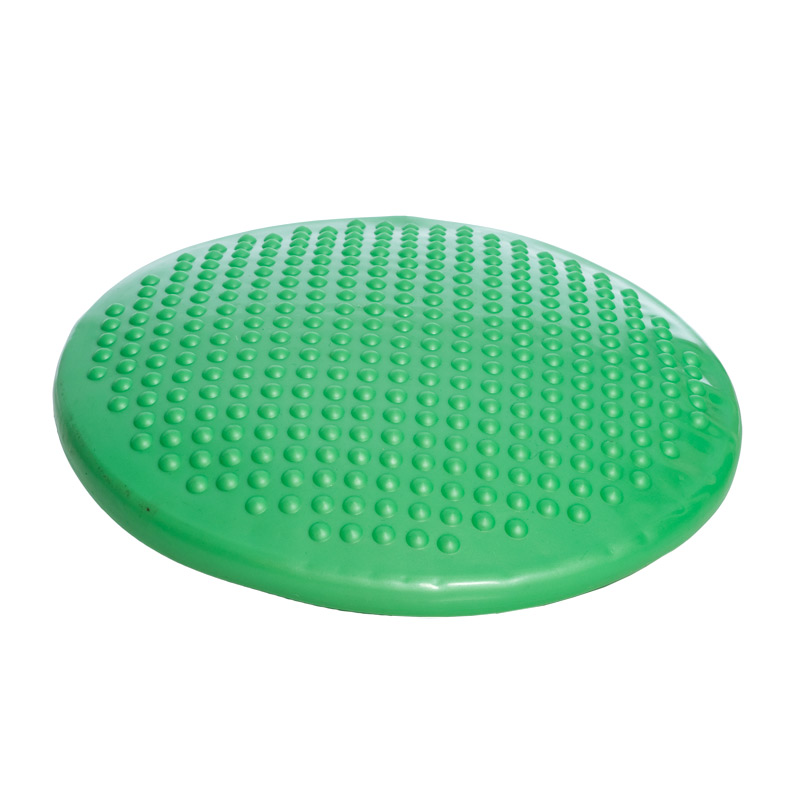
I am currently trialing a few alternative seating alongside the OT that works in my classroom. If you have a student who struggles to focus you could try using a swiss ball to sit on, inflatable cushion, fake grass under their feet, weighted blankets for pressure or a fiddle toy to maintain focus.


"A sensory diet is a carefully designed, personalized activity plan that provides the sensory input a person needs to stay focused and organised throughout the day." (Patricia Wilbager, OT)
When i look across my group of students i can recognize that most of my class are sensory seeking; weather it is rocking on their chairs, walking around the room before sitting down, jumping off the chairs, or seeking tactile stimulation. I have worked with students in the past who were tactile defensive (refusal to explore tactile surroundings) and the class OT (occupational therapist) implemented a Wilbarger brush programme as part of a sensory diet. I was amazed at the success of using a brush to stimulate the skin in order to increase active exploration.
My class programme caters to the sensory needs in my classroom with regular sensory breaks offered to my students in order to increase their focus during work tasks. I timetable a movement break every 30 minutes. The breaks vary from jumping on the trampoline, going for a run, sensory play, swing and a exercise circuit. Some of my students such as Benjamin need more breaks in order to remain on task in the classroom. I make sure he goes on the swing for 2 minutes before he is expected to sit.
I am currently trialing a few alternative seating alongside the OT that works in my classroom. If you have a student who struggles to focus you could try using a swiss ball to sit on, inflatable cushion, fake grass under their feet, weighted blankets for pressure or a fiddle toy to maintain focus.
Thursday, March 1, 2018
Letter of the Week
Like most classrooms, my class has a huge variety of learners with differing skill levels. It can be challenging to build individualised programmes to cater to their needs.


Here is how i have planned my alphabet and phonics programme to suit my students:
- introducing letter : what does it look like, feel like (tactile letters are great) and sound like. A Colleague of mine has made excellent smart board resources which she has kindly shared with me. I use them as an introduction to our letter of the week. They have to find the letter and when they press the letter a video will play.

- Sensory tubs : finding the letter of the week letters in sand, rice etc and matching them on a alphabet board

- Magnetic letters : finding the letter of the week
- Dot to dot letters (link to worksheets below): students can color the letters in stickers (excellent fine motor activity), bingo dabbers, fingerprints, crayons
http://www.confessionsofahomeschooler.com/blog/2012/12/a-z-do-a-dot-worksheets.html
- letter sound sorts (link is below)
https://www.themeasuredmom.com/free-sorting-mats-for-learning-consonant-sounds/
- Feely bag : put objects that begin with that letter inside the bag and students can pull them out to find objects.
- Alphabet books (link is below)
https://www.themeasuredmom.com/free-letter-books/
- Can you find ....? : Have large printed letters on the floor or wall (I write the letters with chalk on the carpet or concrete), students to throw the mini bean bag at the letter of the week.
- Cut and paste sound sorting activities (link is below)
https://www.primarytreasurechest.com/teachingresources/category/phonics-letter-sounds.html
Subscribe to:
Posts (Atom)